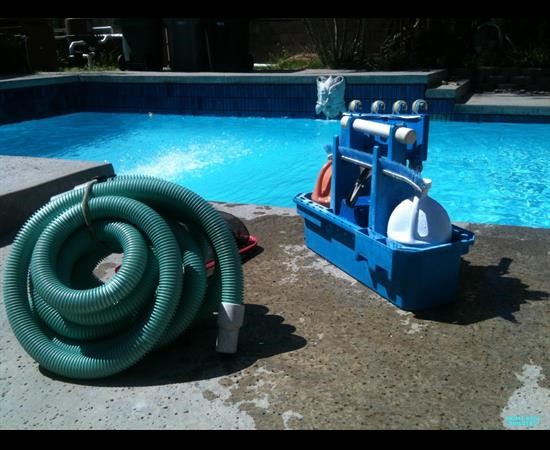
Routine maintenance is essential to keep your pool safe and clean. To avoid algae and cyanuric acids buildup, it is important to keep your pH level within a safe range. Cleaning your pool filter is also an important part of your maintenance routine. These tips will help you maintain a balanced pH level and prevent unnecessary costs. Listed below are some of the most important maintenance tips for swimming pools. Continue reading to find out more. This will ensure you don't leave any stone unturned when cleaning your pool.
If you're the kind of person who doesn't like to spend hours on cleaning your pool, hiring a pool maintenance service is an excellent idea. These professionals are able to spot small problems before they become a big problem. Pool service companies can find and fix any problem, no matter how small. To keep your pool as clean as possible, it is important to schedule maintenance at least once per year.
It is important to maintain your home on a weekly basis. It will save you both time and money to perform routine tasks on a weekly schedule. Weekly tasks include checking water quality and removing dead ducks. It's also important to test your water to ensure it's clean and clear. If you have children, make sure you do some daily maintenance before you let them swim. You should also run your pool's filter and pump for at least 8 hours a day. If possible, install an electrical timer to save on energy.
What is the fastest way to clean a pool? This question has plagued pool owners for years. But the answer may surprise you. A simple way is to vacuum the pool using a sump pump or submersible pump. While this method will drain the dirty water out of your pool, it also makes it easier to scoop out any dead bodies that might be floating in the water. The first step in cleaning a dirty pool is to scoop out as much debris as possible, but remember, it will take some time!
Another effective way to clean a pool is by shocking it. Using a small amount of household bleach, approximately five-tenths of a cup will raise the pH level by about 5 ppm. To raise the chlorine level in concrete or gunite pools, you might need to use acid wash. To do this, use muriatic acid, which is a strong acid.
Lemon juice is a great alternative to vinegar, and it smells better, too! Citric acid is a natural pool cleaner and can effectively remove dirt, grime, and rust. A cup of lemon juice mixed with a half-cup of salt will make a paste, which you can apply to metal surfaces and use to clean calcium buildup. You can also use pure lemon juice.
One way to determine the shock level of a pool is to use a water testing kit. This chemical measures the FC and TC levels and computes CC. Once you have this information, you can shock your pool to reach a specific FC or CC level. This is called the breakpoint chlorination. A pool shock raises the FC level above that level to eliminate any chloramine buildup.
You can smell the chlorine in water with high levels. These levels are still unsafe for swimming. If you're not sure about how to know when to shock your pool, here are some tips:
Check the pH level first. Before you shock your pool, it must be within the pH range of 7.2-7.4. The chlorine won't work if the pH level is too low. This will make the water look cloudy. You should also check the levels of Cyanuric Acid. A low level of cyanuric acid will make your pool look cloudy after a shock treatment, so be sure to correct this first.
After the shock has been applied, wait at least eight hours before swimming in your pool. You must wait at least eight hours before you can swim in chlorine-based shocks. Non-chlorinated shocks may be left in the pool up to 15 minutes. Regular shocks can save you time and help with chemical management. You should perform the shocks at least once a week during the swimming season.
Maintaining a swimming pool isn't as easy as it sounds. To keep your pool clean, you need to do regular cleaning and maintenance. Regular skimming of the water is important to prevent leaves and other debris from floating on the water. Additionally, algae forms on the walls of the pool and must be removed. Leaf raking is a time-consuming process that requires the use of specialized tools. There are many easy ways to maintain a swimming pool clean.
Regular chemical testing is an important part of pool care. pH levels should be checked regularly, and if necessary, adjusted with muriatic acid or soda ash. Hardness, alkalinity, and cyanuric acid levels should also be monitored weekly. The chlorine, which is usually added granularly or liquid, is used for controlling algae and removing toxins from the water. Clarifiers can be used to clean out pool filters that are too clogged. Enzymes can also be used to control organics and oils.
The filter should be cleaned at least once per week. To clean the filter, turn off the pump and remove the cap. You can also clean the basket of the filter using baking soda, which will also maintain the alkalinity of the water. Baking soda can also be used to remove stains from clothing. It is an inexpensive alternative to expensive pool chemicals. However, be sure to follow the manufacturer's recommendations. You can find many helpful tips for maintaining your swimming pool on Laurie Wilkins' Call Outdoors blog.
A swimming pool needs to be cleaned regularly to protect your family from contaminants. Additionally, it protects the hardware of your pool and keeps it looking great for longer. Clean pool water also keeps algae, mold, and debris from growing on its walls. Apart from regular cleaning, it also protects your pool's finish and will make it last longer. It's now time to go to the beach.
There are many options to clean your pool. Sand filters are a great choice for this task. To keep them in top condition, you should clean them frequently. You can also use backwash filters to remove dead algae. Keep your water chemistry between 7.2 to 7.6. This is the same pH level that human eyes and mucous membranes require. The pump should be turned on to circulate the water, and to remove any algae.
Multipurpose algaecide is also an option. These chemicals can kill algae and prevent future growth. They can also be expensive, so you must be cautious when using them. Be sure to follow the manufacturer's instructions and never use more than recommended. You can also add shock to the water to kill algae. You can also add a solution of sodium hydrochloric acid to your pool.
Before you use a shock product, make sure to clean your pool filter. After brushing the bottom of your pool, make sure the water is pH balanced between 7.4 and 7.6. A shock product, such as calcium hypochlorite, should be added to the water. Be sure to let the filter run for at least eight hours or overnight, so that it can circulate the shock throughout the water and kill algae. If the algae persists, repeat the process.
A flocculant works by coagulating dead algae, making them sink to the bottom of the pool. This is similar to the effect of a pool clarifier. The clarifier clumps on the surface of water, while the flocculant sinks at the bottom. The dead algae can clog filters and cause other problems once it has settled to the bottom.
The answer is likely to be "yes" if you are a regular user of saltwater pools. But how often should you shock a salt water pool? This article will explain the best times to shock your pool. After all, if you're only using the pool every few months, you might be putting it at risk. Shock treatment is supposed to kill bacteria and algae.
It all depends on the pH and Alkalinity of your pool. High levels of Alkalinity will inhibit the production of chlorine. High levels will produce crystalline deposits, while low amounts will leave the water hazy and smelly. How often you need to shock your pool will depend on how much chlorine and chloramines are present. If you're having trouble determining the proper dose, you can use free calculators.
Calcium hypochlorite is the most common type of shock. It is inexpensive and slow-dissolving so it is often used as a preventative. Calcium hypochlorite is a calcium salt that adds calcium to the pool. It's not a chlorine shock but it can be used in salt water pools. It's best to use this product at least once every few weeks to avoid the buildup of algae in the water.
A good test kit will measure Total Available Chlorine and Free Available Chlorine levels. The difference between these levels is the combined level of chloramine and free chlorine. This helps you determine how often to shock your salt water pool. If the combined chlorine and free chlorine levels are higher than 0.3 ppm, you can use stabilised chlorine. Next, increase the salt cell to the previous level.
Top Rated Pool Builders In Los Angeles!