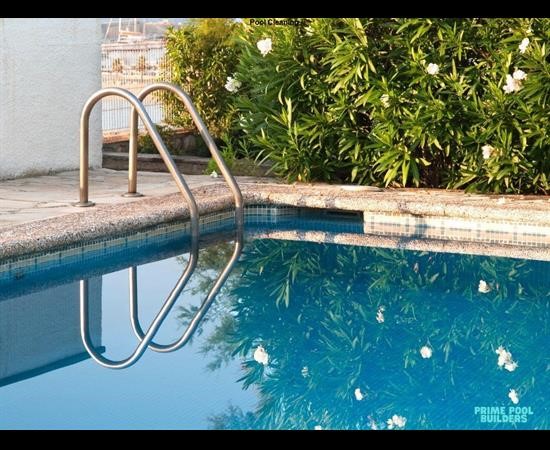
Pool cleaning chemicals are essential to maintain the water's clarity. Calcium hardness measures how hard your pool's water is. Calcium hardness can vary depending on where you live and what kind of water you use. Calcium deposits can build up on equipment and pool surfaces. These deposits can be removed using calcium-detection products. You may need to adjust the pH of your pool water depending on how hard you are.
You can hire a professional pool cleaner if you aren't confident cleaning your pool. Pool maintenance services can handle the manual cleaning as well. Basic cleaning methods include brushing the pool walls, scraping off any debris, and vacuuming the pool. Manual cleaning is an important part of pool ownership. It is essential to prevent algae, staining and scaling around your pool. Skimming the surface of the water regularly will remove large debris that would otherwise fall to the bottom.
Many pool owners don't have the knowledge to properly maintain their pools. However, hiring a professional cleaning service can help ensure that your pool remains clean and sanitary for your family. Professionals will also check your pumps, filters, and other small problems. In addition to cleaning the water, they can also repair small rips or stains on the walls. These services will keep your pool in tip-top shape throughout the year. You will save a lot of time and effort by hiring a professional to clean your pool.
Whether you're considering shocking your pool for the first time or have been using it for years, it's important to know when to go in and when not to. Once the pool has been shocked, it should take at least 24 hours for the water to adjust. After that, you should test the pH of the water and wash the filter. You should not swim before you have tested the water's pH.
Whether or not you want to swim right after shocking your pool depends on the type of shock you use. Different types of shock have different waiting periods, so always read the instructions to ensure the correct amount of time has passed. Some common types of shocks are Calcium Hypochlorite and Dichloroisocyanuric acid. Make sure to read the instructions before adding either one of these shocks to your pool.
Chlorine-based shocks require a longer wait time. The pH level in a chlorine-based shock's shock is higher than that of a shock without chlorine. Therefore, the longer the wait time, the better. Chlorine-free shocks can also be used to oxidize bacteria. Both cases require that the water be turned over before it can be used for swimming. Swimming takes between 1 and 4 days. It will vary depending on the type of stabilizer used and the amount sun and organic material in the water. In addition, removing the pool cover will allow UV rays to enter the pool.
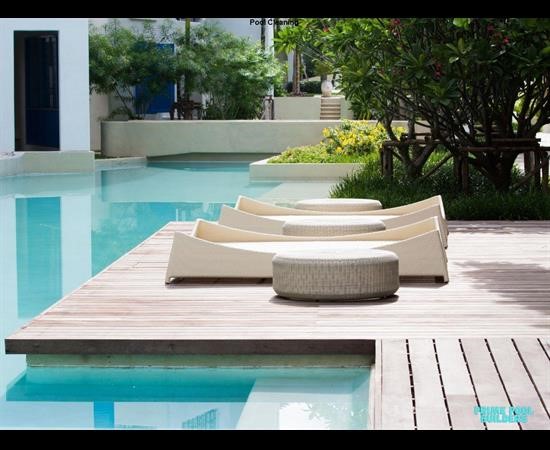
When it comes to maintaining your salt water pool, the best way to keep algae at bay is to keep it clean and clear. Although shock treatments and scrubbing can clear up most algae outbreaks, using algaecide to kill and render harmless future growths is the best way to prevent them from happening again. To get rid of any algae spores on your swimwear, it's a good idea for you to take a shower once in a while. During this time, you'll use a sanitizer to kill any traces of algae on your body.
Algae growth in salt water pools can be caused by many factors, including high pH levels and improper sanitizer. Increasing the pH level can inhibit the sanitizer, making it ineffective to kill algae. Algae growth can be a problem in any type of pool, so it's crucial to understand what causes the growth of algae in your salt water pool. This knowledge will assist you in tackling the problem.
To remove dead algae and other organic debris from your pool, you can use a manual vacuum to clear it. Make sure to switch the vacuum's waste mode off so that the algae doesn't get back into the pool. When manually brushing your salt water pool, you should also add a water clarifier, which will speed up the process. You can also manually vacuum the pool at least four times a week for the best results.
Draining a swimming pool can be time-consuming and costly. Not to mention, it can leave the pool completely out of service, causing an expensive water outage. How often should swimming pool water be changed? It should be determined based on the type and preferences of your swimming pool. Here are a few things to consider when it comes to water changing frequency:
The type of water in your pool will also have an effect on the frequency of water changes. Soft water is the most suitable choice for swimming pools, while hard water contains more minerals that can deposit on the walls and floor of the pool. These minerals can be removed by regular scrubbing the pool walls and bottom. However, it may still need to be changed more often. Hard water can also damage the walls of the swimming pool and may even need frequent emptying.
You should check the pH level in the water of your swimming pool at least once a week. A pH level between 7.4 and 7.6 is considered good, and anything lower than this will need chemical adjustments. Also, check the chlorine level in the water. Your pool should have a chlorine level of between one and three parts in million. Inspect the water for bugs, leaves, and random debris on a weekly basis.
A pool pump that runs at night can help you cut down on your energy bills. You can save money on electricity costs by using less electricity during the day. The pool pumps must be turned on for at least one hour for every ten degrees of temperature change. You can also run them during daylight, when there is enough sun. The key is to find a balance between the two.
A pump's turnover rate is usually between 6-10 hours and can run for up eight hours per day while maintaining good circulation. Running the pump continuously is not only wasteful, but it also increases your electric bill. It is important to remember that a pump does more than just pump water.
It all depends on where you live. Peak hours are the most expensive times of the day for electricity providers. If you're not sure what times your area has the highest demand for power, call your energy provider to find out when these peak periods are. A pool timer that can be programmed can automate the pump’s schedule. This way, it doesn't interrupt the other activities in the home.
A majority of experts recommend running a pool pump during the day. The pump should be run at night to prevent algae growth. This is bad for your swimming health. Moreover, sunlight can damage the chlorine in your pool, causing it to lose its potency. Regardless of which method you choose, the main benefit of running a pool pump during the day is that your pool stays cleaner and the amount of chemicals in it is consistent throughout the day.
Shocking your pool is one of the best ways to maintain the proper water chemistry of your swimming pool. To avoid algae and other problems that can lead to costly and time-consuming cleaning, it's a good idea for your pool to be shocked on a regular basis. A shock boosts the combined and free chlorine levels in the water. A shock is generally required when combined and free chlorine levels fall below three parts per million.
Make sure the shock solution is completely dissolved before using it. Place one pound of the solution per 1,000 square feet into the pool. Then, stir the solution with a wooden stir stick to distribute it evenly throughout the pool. It is important to ensure that the shock solution does not damage the pool's finish or liner. Use a bucket full of water before adding shock to your swimming pool.
A household bleach can also be used to shock a swimming-pool. This granular solution has 5.25 percent sodium hypochlorite. It can kill algae. You can also use PHMB and ionizers as well as ozonators. These methods have their limitations. These methods should only be used after consulting your local pool company and following the instructions carefully.
Shocking your pool is an important part of maintaining the water's health. Algae growth can occur if your pool isn’t properly sanitized. This can lead to skin irritation and allergic reactions, as well as other health problems. This is why it's important to shock your pool on its opening day. If you wait too long, you may even end up with a hazard to your family.
Top Rated Pool Builders In Los Angeles!